
Investing in a high-quality auto production line—whether for vehicle assembly, robotic welding, or full-function inspection—is only the first step to building a successful automotive manufacturing business. The long-term efficiency, stability, and service life of your production equipment depend entirely on proper, comprehensive training for local operating and maintenance teams. Many overseas buyers overlook the importance of structured training, leading to avoidable equipment failures, reduced production capacity, unplanned downtime, and higher long-term operational costs. At China Automotive Global Supply Chain Co., Limited, we go beyond simply exporting top-tier auto assembly and inspection lines: we deliver a full, tailored training package covering equipment operation, routine maintenance, and professional software control, paired with reliable after-sales support, spare parts supply, and dedicated engineer follow-up to foster long-term partnerships and keep your production lines running smoothly year after year.
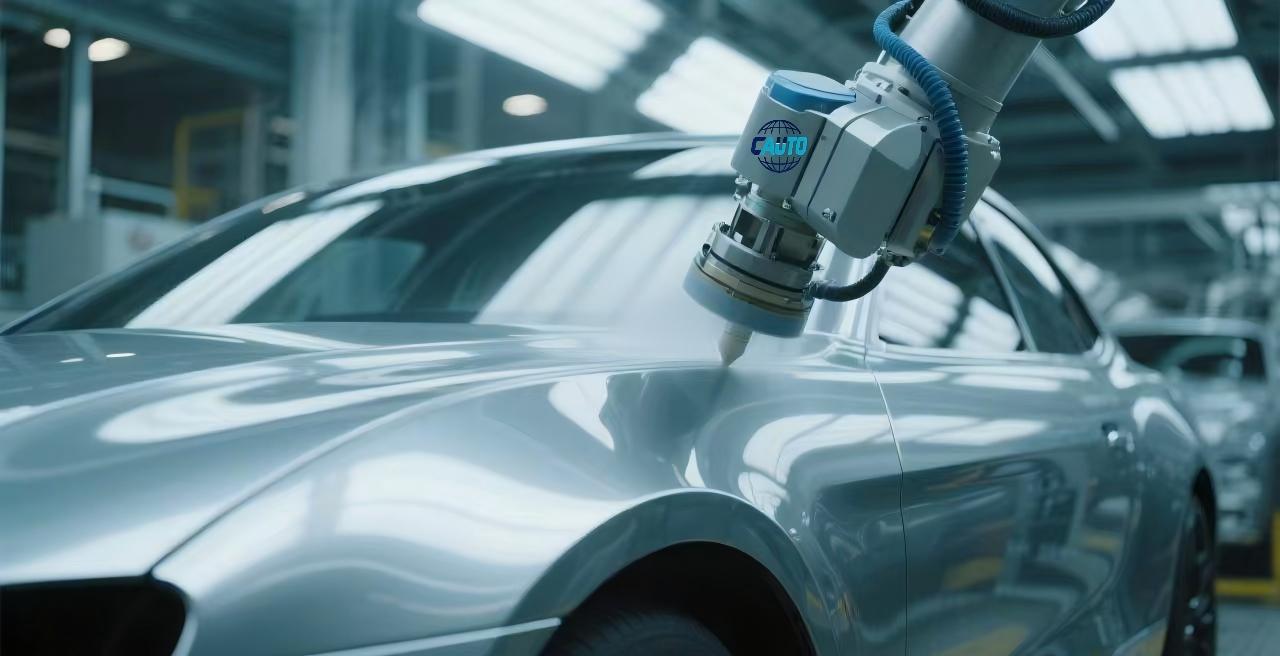
1. Professional Equipment Operation Training: Master Full Workflow Efficiently
Our operation training is designed for all staff members who interact with the production line daily, from line supervisors to frontline operators, with content customized to the specific type of equipment—including premium EV assembly lines, EREV production lines, and vehicle inspection lines. We start with basic safety protocols, a critical foundation for industrial production, covering hazard prevention, emergency stop procedures, and safe operating practices to eliminate workplace risks. Trainers then walk trainees through the full production workflow, from start-up and shutdown sequences to daily operational adjustments, model switching, and real-time production monitoring.
We avoid overly technical jargon, using hands-on demonstrations, visual guides, and multilingual training materials (primarily English, with local language support available) to ensure clarity. Trainees practice under direct supervision until they can operate the line independently, handle routine production tasks, and identify basic operational errors. This targeted training cuts the learning curve drastically, allowing your team to launch full production shortly after installation and avoid costly mistakes from improper use.
2. Comprehensive Equipment Maintenance Training: Prolong Service Life & Reduce Downtime
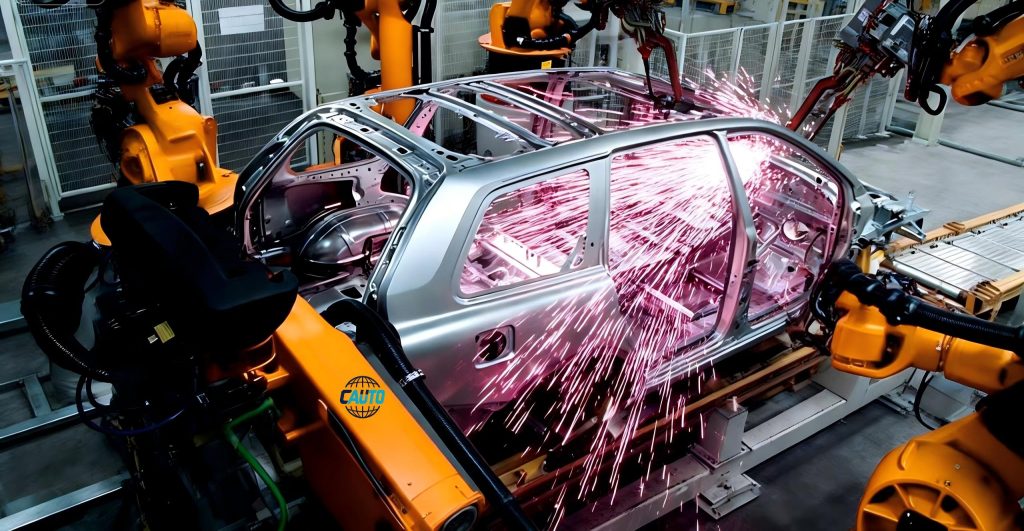
Preventive maintenance is the key to maximizing the lifespan of auto production equipment and minimizing unexpected breakdowns, and our maintenance training equips your team with the skills to care for the line long-term. We cover daily, weekly, and monthly maintenance checklists tailored to your specific line, including cleaning protocols for robotic welding arms, inspection of conveyor belt components, lubrication of moving parts, and checks for electrical connections and wear components.
Trainees learn to identify early warning signs of potential faults, troubleshoot common minor issues without external support, and distinguish between problems that can be fixed on-site and those requiring engineer assistance. We emphasize proactive maintenance over reactive repairs, a practice that reduces equipment failure rates by up to 40% and extends the overall service life of your production line by years. Most importantly, we provide detailed maintenance manuals and quick-reference guides for ongoing use, ensuring your team can maintain consistent care routines independently.
3. Specialized Software Control Training: Unlock Full Line Capabilities
Modern auto production lines rely on intelligent control software to manage production schedules, monitor testing data, adjust parameters, and generate compliance reports—making software proficiency essential for peak efficiency. Our software training covers every core function, including system setup, production parameter configuration, real-time data tracking, report generation for local regulatory compliance, and basic system troubleshooting. We ensure the software interface and training materials match local language and regulatory requirements, whether for European CE standards, Brazilian INMETRO, or South Asian market norms.
Trainees learn to navigate the software seamlessly, adjust settings for different vehicle models (including passenger cars, SUVs, and light commercial vehicles), and export critical data for quality control and record-keeping. We also include guidance on software updates, ensuring your team can implement upgrades to stay aligned with the latest industry and regulatory standards without disruption to production..